The Amazing Australian
Natural Wonders Of The World
Natural Wonders Of The World
The Natural Wonders of the World are many and the Natural Wonders in Australia are truly amazing and varied.
Between us we've been to a lot of different countries and we've seen a lot of the Natural Wonders of the World.
Australia has an enormous amount of natural wonders from breathtaking Uluru in the remote outback to the incredible Great Barrier Reef, from the other worldly landscape of the Pinnacles to the vastness of amazing Kakadu, Australia is blessed with a wide variety of truly beautiful and inspiring wonders.
We've chosen what we think are some of the most spectacular, inspirational and unique Australian Natural Wonders.
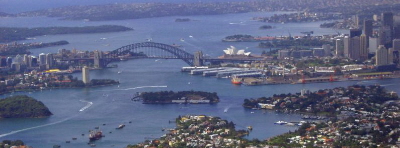
Sydney Harbour is one of the most well known natural wonders in Australia and quite possibly the most recognisable and beautiful harbour in the world. The Sydney Harbour stretches 20km inland and covers approximately 240 kilometres of shoreline; the area has a large number of beaches (including the iconic Bondi Beach) and inlets tucked away; there are also large sections of parklands, reserves and gardens. Sydney Harbour is home to the world famous Sydney Opera House and Sydney Harbour Bridge.
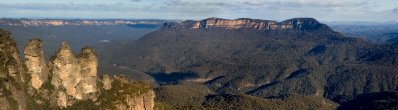
The Three Sisters are a famous rock formation located in the Blue Mountains National Park 110 kilometres west of Sydney near the town of Katoomba, New South Wales. The Three Sisters are all over 900 metres tall and are known to the local people as Meehni, Wimlah and Gunneddoo.
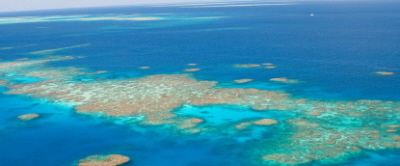
The Great Barrier Reef is quite possibly the most well known of all the natural wonders in Australia; it is the largest coral reef in the world at around 2,000 kilometres long and covering an area of around 344,000 square kilometres, the reef runs from slightly north of Bundaberg to the tip of the Cape York Peninsula in Queensland. The Great Barrier Reef is visible from the moon, is World Heritage Listed and is one of the natural wonders of the world.
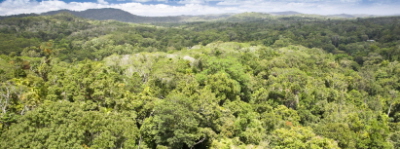
The Daintree Rainforest is located north of Cairns in far north Queensland and covers an area of approximately 1,200 square kilometres. It is the oldest rainforest in the world at more than one hundred and thirty five million years of age and is home to the largest and most diverse range of plants and animals on earth. The Daintree Rainforest is a World Heritage listed site and another one of the natural wonders of the world.
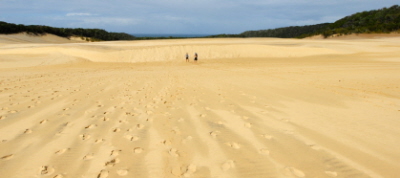
Fraser Island is the largest sand island in the world and is located just off the coast of southern Queensland. It is more than 123 kilometres in length and is 25 kilometres across at its widest point. It is famous for the coloured sands that come from the decaying plants that stain the sand.
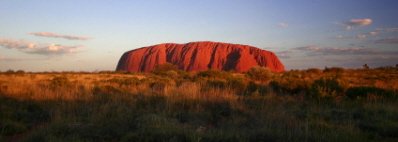
Uluru-Kata Tjuta National Park. Uluru is located in the National Heritage Listed Uluru-Kata Tjuta National Park in the southern part of the Northern Territory. Uluru is 348 metres high, 3.6 kilometres long, 1.9 kilometres wide, and 9.4 kilometres around. It is a 450 kilometres drive from Alice Springs. Just over forty kilometres to the west of the rock is the steep-sided domes of Kata Tjuta. The highest of these domes is Mount Olga at over 500 metres. Uluru is also one of the most well known natural wonders of the world.

Kakadu National Park is approximately 250 kilometres east of Darwin located within the Alligator Rivers region of the Northern Territory and covers an area of 19,804 square kilometres. Kakadu is home to over 60 species of mammals as well as many reptiles including saltwater crocodiles and venomous snakes. There are also more than 280 species of birds found there. Kakadu is a World Heritage listed site and the largest National Park in Australia.
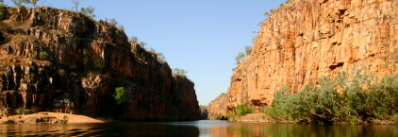
Nitmiluk (Katherine Gorge) is approximately 310 kilometres south of Darwin (29 kilometres east of the town of Katherine) and located inside Nitmiluk National Park. The Katherine River winds through the 13 spectacular sandstone gorges of the National Park before passing through Katherine Township. Nitmiluk is a spectacular sight.
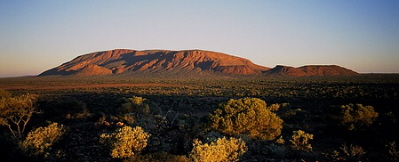
Graphic courtesy of wikipedia.com
Burringurrah (Mt Augustus) is located 320 kilometres east of Carnarvon in Western Australia. Burringurrah is about 2.5 times bigger than Uluru at 858 metres high and almost 8 kilometres long but is not as well known possibly because it doesn't have the distinctive shape that Uluru does. Burringurrah is one of the not so well known natural wonders of the world.
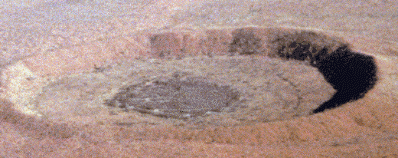
Wolfe Creek Crater is definitely one of the natural wonders of the world and has become more well known since the movie called Wolf Creek came out. The Crater is located in the Wolfe Creek Crater National Park in Western Australia on the edge of the Great Sandy Desert in the East Kimberley, approximately 1850 kilometres north-east of the capital city of Perth (150 kilometres south of the town of Halls Creek.) The Wolfe Creek Crater measures approximately 880 metres across and 60 metres deep, it is the second largest crater in the world. The meteorite crashed to Earth around 300,000 years ago.

Shark Bay is located on the Western Australian coast approximately 800 kilometres north of the capital city of Perth. It covers an area of approximately 23,000 square kilometres and has a coastline more than 1,500 kilometres long. In the heart of Shark Bay is Monkey Mia, a place where schools of dolphins visit daily and have been doing so for more than forty years. The Shark Bay Area is a World Heritage listed site.
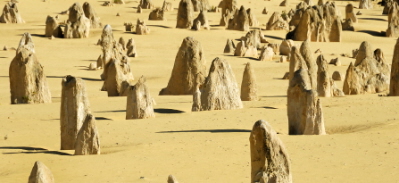
The Pinnacles are located in the Nambung National Park which is about 250 kilometres north of the capital city of Perth in Western Australia. The Pinnacles are thousands of huge limestone pillars that rise out of yellow sand. These ancient rock formations are up to four metres in height and look like they came from another world. The Pinnacles are one of the very unique natural wonders of the world.
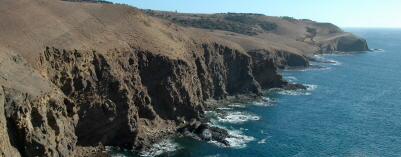
Kangaroo Island is located 110 kilometres south-west of Adelaide South Australia and is Australia's third largest island after Tasmania and Melville Island. Kangaroo Island covers an area of 4350 square kilometres and is approximately 155 kilometres in length and 50 kilometres wide at the widest point. It is an unspoilt wilderness with beautiful sheltered coves, sandy beaches, soaring cliffs, wetlands and native Australian animals.
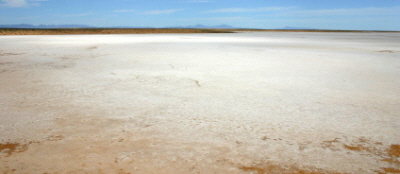
Lake Eyre is approximately 1,000 kilometres north of the capital city of Adelaide, South Australia. Lake Eyre is made up of two lakes, Lake Eyre North at 144 kilometres long and 77 kilometres wide and Lake Eyre South at 64 kilometres long and 24 kilometres wide. The huge lake system covers an area of approximately 9,700 square kilometres but has only been filled to capacity three times in the past 150 years, when it does it becomes the biggest lake in Australia and one of the biggest salt lakes in the world. Lake Eyre is the lowest point in Australia at 15 metres below sea level.
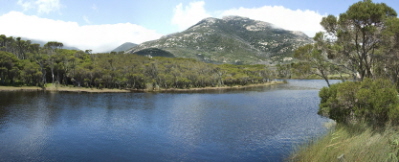
Wilsons Promontory is located approximately 230 kilometres south east of Melbourne at the most southern point of the Australian mainland. Wilsons Promontory is a stunning 50,000 hectare national park with spectacular views, amazing rock formations and mountains, secluded sandy beaches and an abundance of wonderful wildlife.

The Twelve Apostles are in Port Campbell National Park approximately 250 kilometres from Melbourne along the spectacular Great Ocean Road. The Twelve Apostles are giant limestone rock stacks that were created by the constant erosion of the limestone cliffs of the mainland. There are eight remaining stacks; one Apostle collapsed in July 2005.
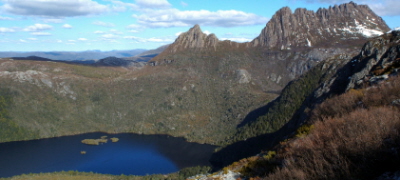
Tasmania is located 240 kilometres south of Victoria and separated by Bass Strait. Tasmania is the most unspoiled wilderness in Australia so I thought it would be better to just include the whole island in the natural wonders of the world. There are over 320 smaller islands off Tasmania; they range in size from small rocky outcrops to three larger islands that are inhabited. Tasmania is world famous for its rugged and spectacular landscapes, its ancient forests with some of the longest lived trees and tallest flowering plants in the world, the remote mountain ranges and wild rivers with unique wildlife and vegetation unlike anywhere else on earth. Almost 37% of Tasmania is reserves, national parks and World Heritage Sites.
Go to next facts page: Interesting facts about Australia
Return from Natural Wonders of the World to Australian-Information-Stories home page


